The Youth Left Behind
Illinois’ Youthful Parole Law offers second chances—unless you were convicted before 2019.
By Elbonie Burnside & Margaret DeFrancisco
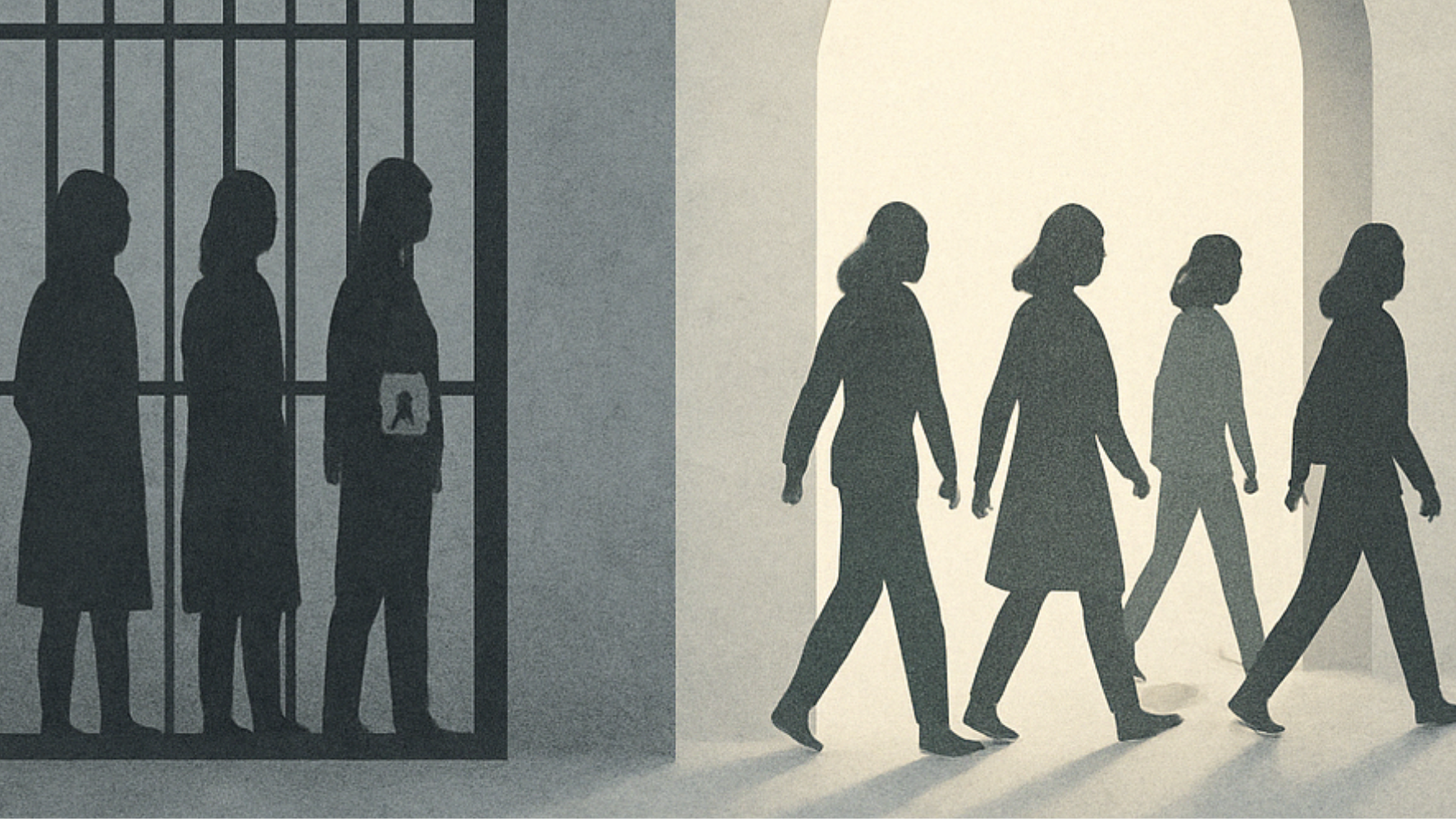
A growing body of scientific research indicates that adolescents, up to the age of 24, exhibit distinct developmental differences from adults. Previously, the courts exercised limitless discretion when sentencing youthful offenders convicted of violent crimes.
In an effort to correct this injustice, the Illinois Supreme Court ruled in 2019 that a juvenile convicted of first-degree murder can claim a constitutional violation under the Eighth Amendment if they can demonstrate two elements:
The original trial court at sentencing did not consider the mitigating factors of youth.
The court imposed a sentence of more than 40 years upon the defendant, which the Illinois Supreme Court has determined constitutes a de facto life imprisonment sentence.
People v. Buffer set a new precedent. However, those of us who don’t have sentences that exceed 40 years don’t meet the standard.
In 2021, the state of Illinois continued to be progressive by reinstating the possibility of parole for this vulnerable population through the Illinois Youthful Parole Law—originally established by HB531 in 2019 and effective as of June 1 that year. Before this law, parole for all convicted individuals had been abolished in 1978; now, individuals who committed crimes before the age of 21 can petition the Illinois Prison Review Board for early release.
Those not serving natural life, or sentences for first-degree murder or aggravated criminal sexual assault of a child, become eligible for parole review after 10 years of confinement. Individuals serving a sentence for first-degree murder become eligible after 20 years.
The new law appeared promising. Its very essence circulated a renewed sense of hope among people who had committed crimes in their youth. But that feeling quickly faded for those of us sentenced before June 1, 2019. We were told that this opportunity would not apply to us.
This monumental bill, which seemed like a step in the right direction, came with a carve-out: Youthful offenders convicted before 2019 were not eligible. The law is not retroactive. Once again, lawmakers seemed to have forgotten us.
Restore Justice reports that in Illnois there are 523 youthful offenders currently incarcerated who would have instantly become eligible for parole consideration if the law had been retroactive. This wouldn't have been a mass release; the Illinois Department of Corrections incarcerates over 25,000 people.
And, according to Injustice Watch, “more than 167 juvenile offenders set to serve more than 50 years as Illinois prisoners ... will not be eligible under the new bill.”
Why weren’t we included?
For decades, many of us have matured behind bars — behind layers of barbed wire fences — and transformed our lives for the better. We made a conscious decision to grow. We’ve aged out of crime. We’ve become scholars. We've mastered trades. We’ve developed artistic talents. We’ve done all of this despite our circumstances. Despite having no incentives. Despite being skipped over for programming because of long sentences with distant out-dates. Despite knowing we may never get the chance to use any of these skills as free people.
“The law is not retroactive. Once again, lawmakers seemed to have forgotten us.”
In February 2023, Sen. Seth Lewis introduced SB 2073, which would have made parole opportunities retroactive. A month later, it was shelved.
It seems lawmakers are still hesitant to offer a second chance to those of us who never had a first. To the broader public, we have become collateral damage—the forgotten byproduct of a failed and flawed system.
On Feb. 7, 2025, there was new momentum to correct this carve-out. State Rep. Theresa Mah sponsored HB 3332, a bill that would make the Youthful Parole Law retroactive.
But on April 10, that momentum was abruptly halted. HB3332 was brought to the House floor for a final vote and failed, 49–51. Despite gaining dozens of co-sponsors and passing through committee, the bill fell just short. A motion to reconsider the vote was filed but later withdrawn.
Once again, a pathway toward redemption has been blocked—not by our actions, but by a system still unwilling to account for growth, change, and humanity.
If you believe in growth, in second chances, and in the idea that no one should be defined solely by their worst moment, we ask you to carry this story forward. Write to your legislators. Share this article. Talk to others. Real lives hang in the balance—and your voice can help tip the scales toward justice.
