A Well of Hope A World Apart
Honoring Michael Broadway’s legacy through a well that brings clean water—and renewed life—to Mailao, Chad.
by Leon Fields & Brandon Wyatt
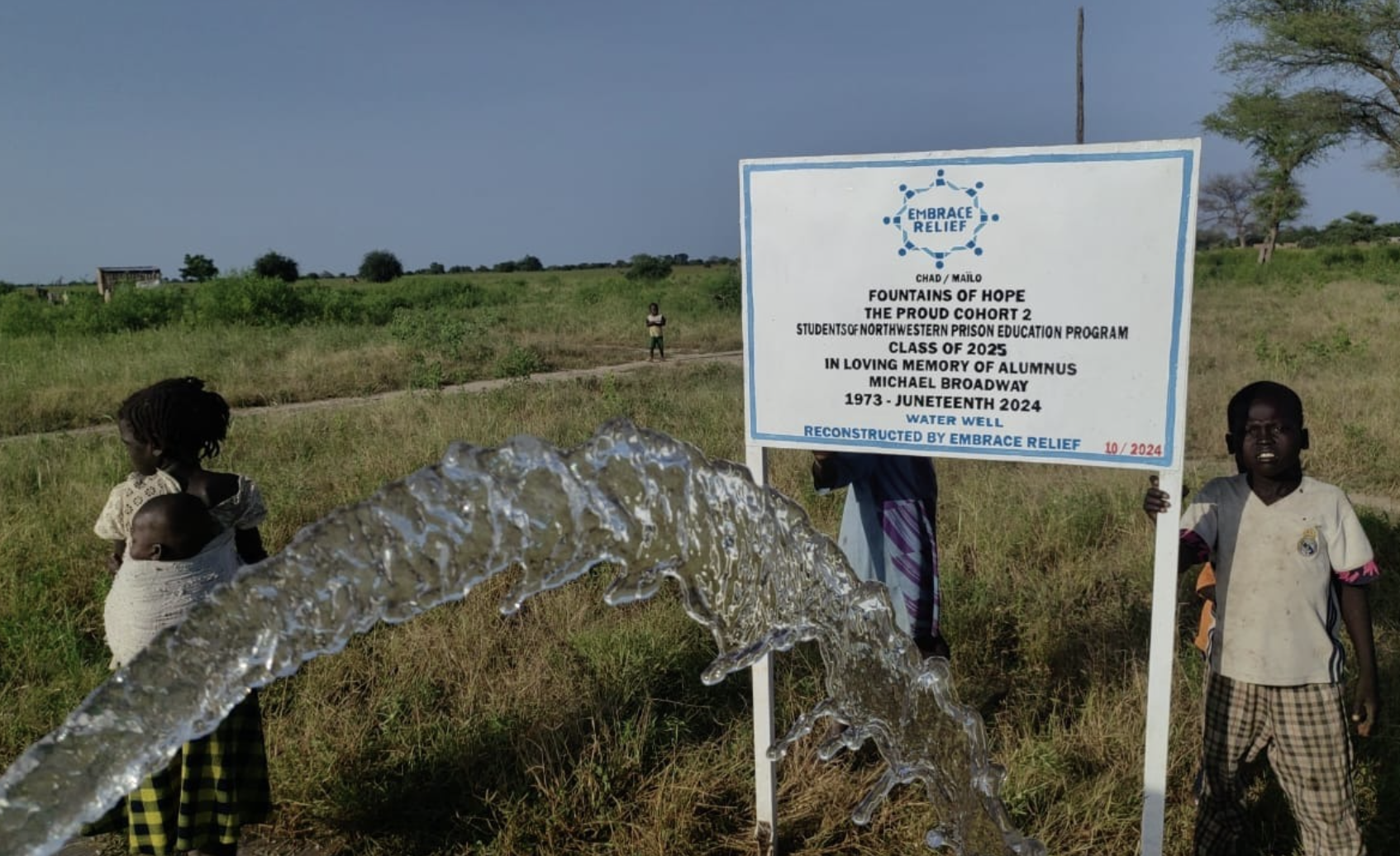
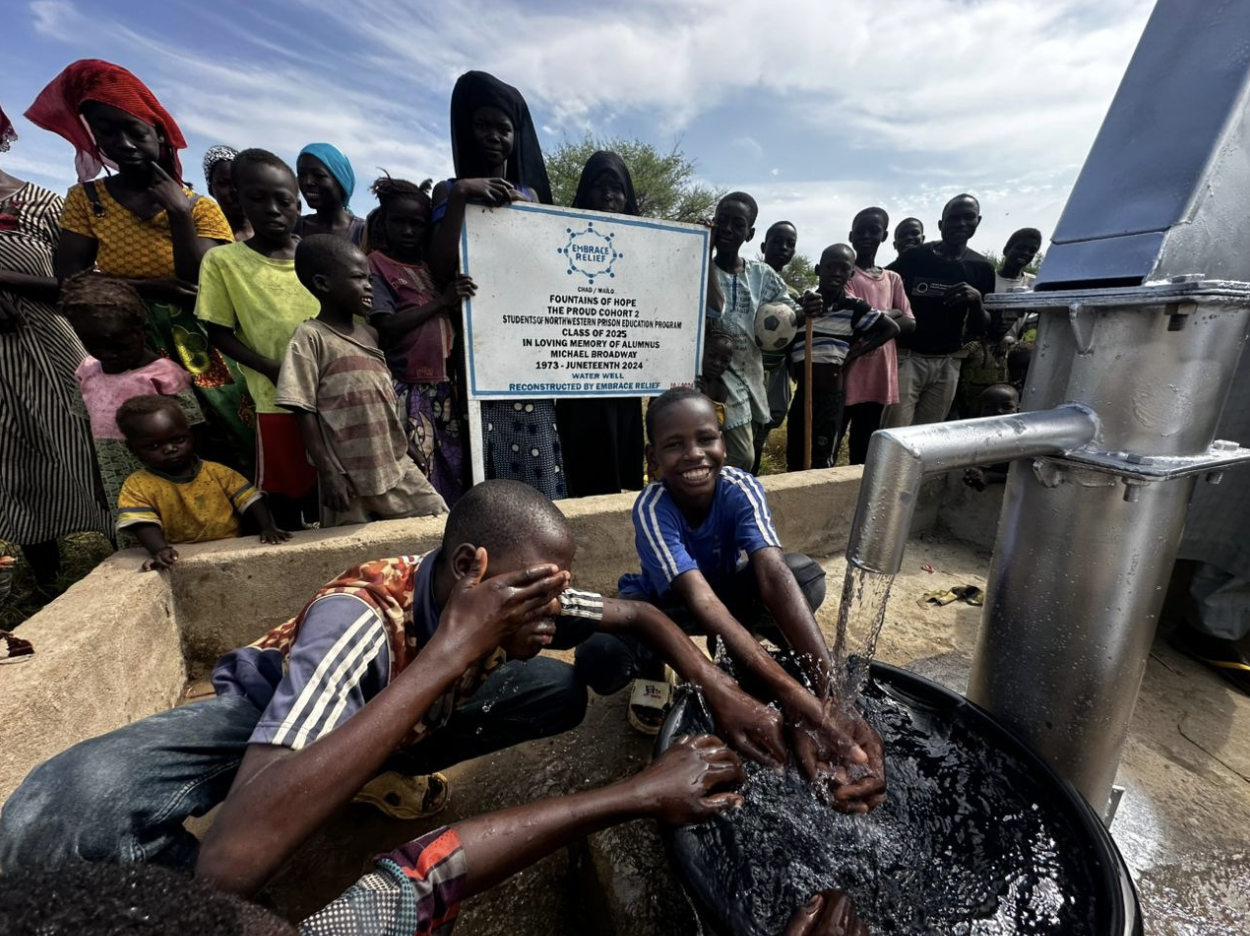
Juneteenth is a day of profound significance. But for many of us who were housed at Stateville Correctional Center before its closure, the day carries an additional emotional weight. On July 19, 2024, we lost one of our finest—Northwestern alumnus Michael Broadway.
For two weeks after his passing, Michael’s cell remained illuminated, his belongings undisturbed. Among them stood seven cases of bottled water—an image seared into our memory. Those cases spoke volumes: they reflected the anxiety and uncertainty we all felt during Stateville’s ongoing water crisis, where clean water was never guaranteed and often rationed in fear.
In Michael’s honor, we—students of Northwestern’s Prison Education Program (NPEP) Cohort 2—joined together with Yolanda Fields, one of NPEP’s beloved mothers, to raise funds to build a well in the village of Mailao, Chad. Now, hundreds of families have access to safe, reliable water for drinking, cooking, cleaning, and growing food. And with every drop, Michael’s legacy lives on.
Each of these remarkable individuals brings unique talents, gifts, and abilities to the world. But when thirst takes hold, nothing else can flow out. As this village celebrates the fountain of hope and the end of thirst, much is being restored—opening the door to a world of possibility.
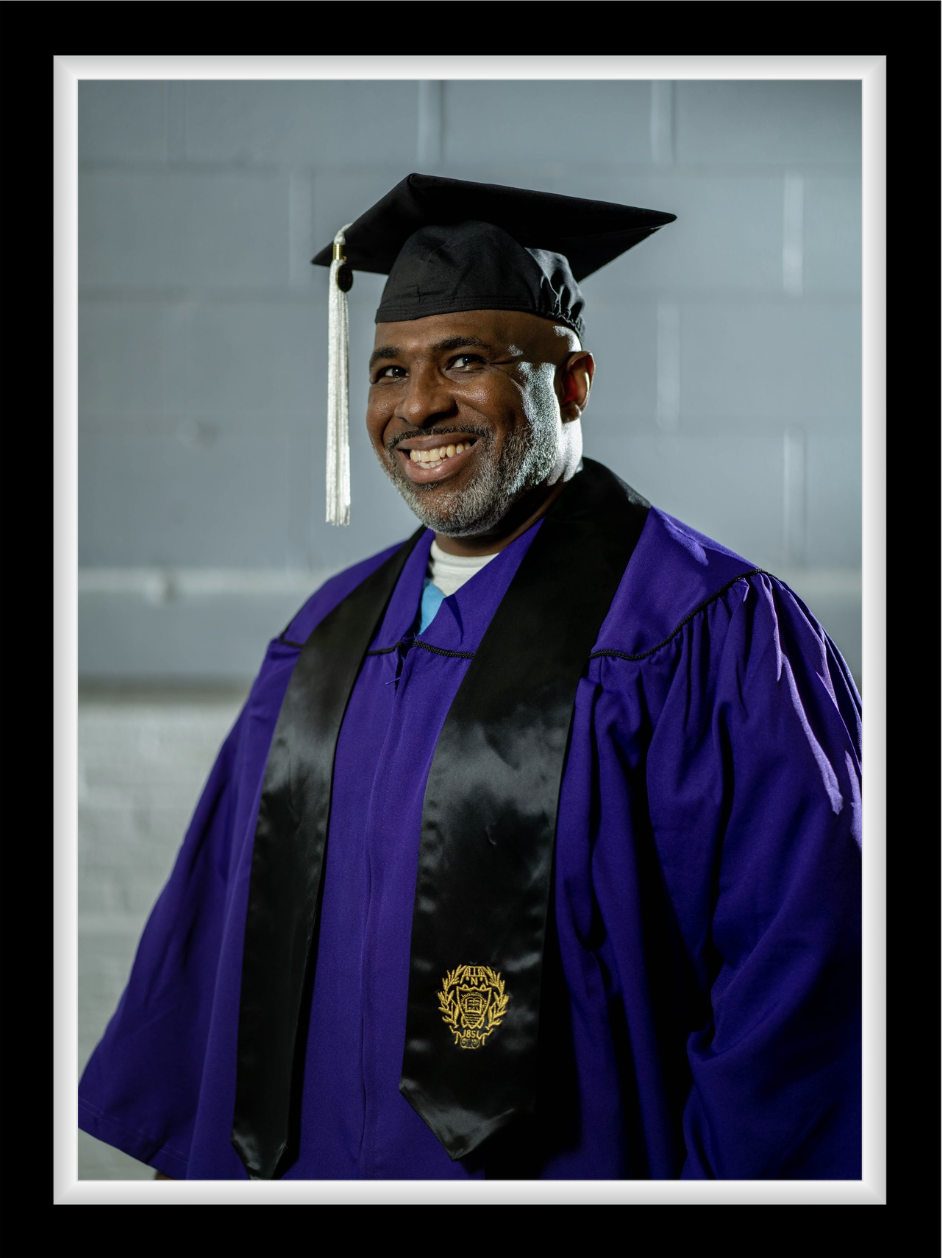
Michael Broadway, our beloved brother, was the inspiration for this well. He lived his life discovering, creating, and caring. He believed in the power of people to transcend circumstance, and he treated everyone as capable and worthy.
In doing so, he transformed every space he entered—and so shall we follow his lead. To praise him is to carry forward his light, and to make the world better in his name.
Roughly 6,500 miles apart and separated by the world’s second-largest ocean, what could possibly link the incarcerated men in NPEP to the citizens of Mailao, Chad?
According to the World Health Organization, one-third of the global population still struggles to access adequate amounts of safe drinking water.
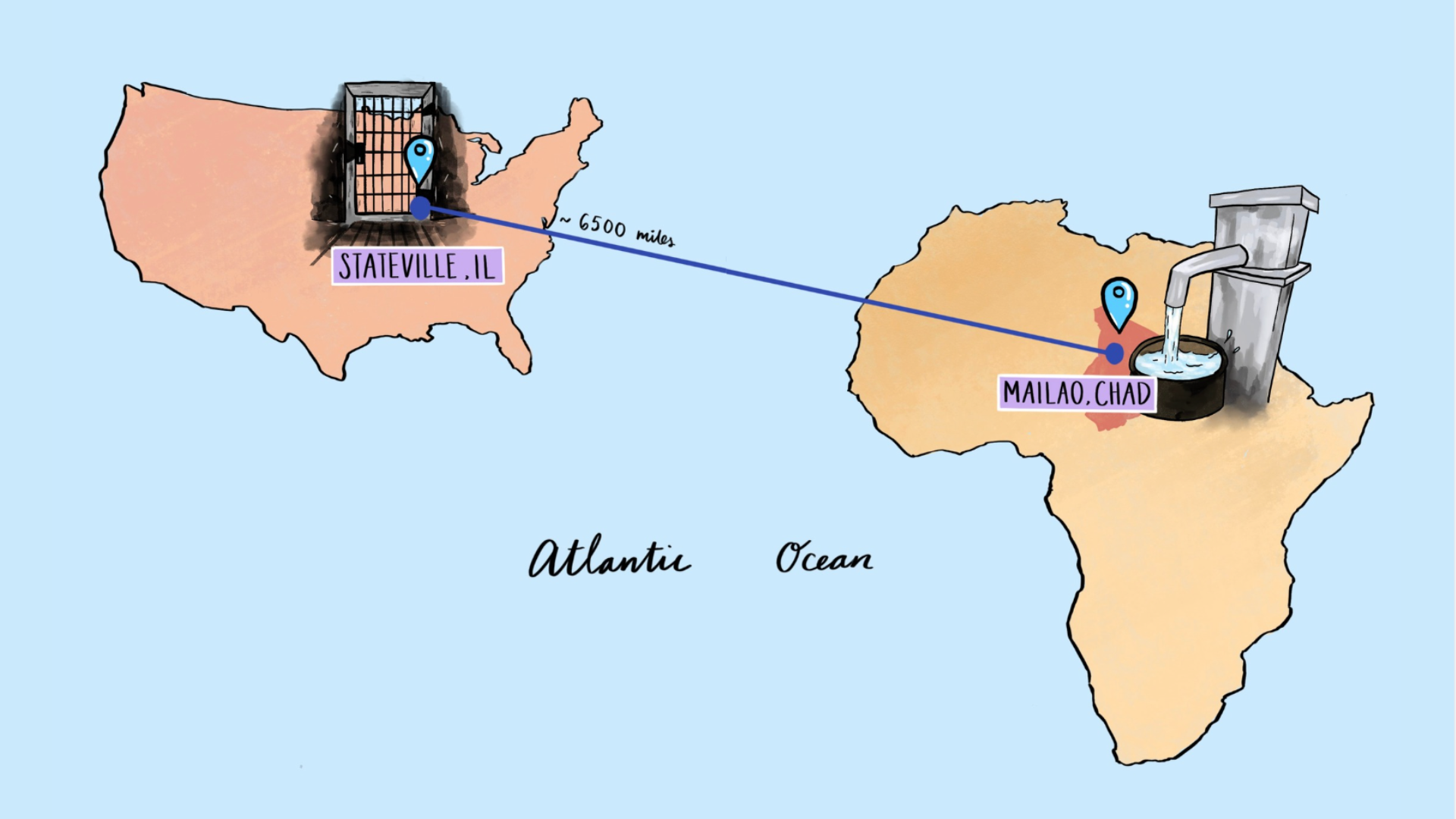
Illustration by Joyce Wang
In different ways, both communities lived that reality. But in October 2024, as the gates of Stateville closed for good, a new chapter opened: the inauguration of Mailao’s Fountain of Hope. With these changes, both groups took a step out of that one-third—and into something better.
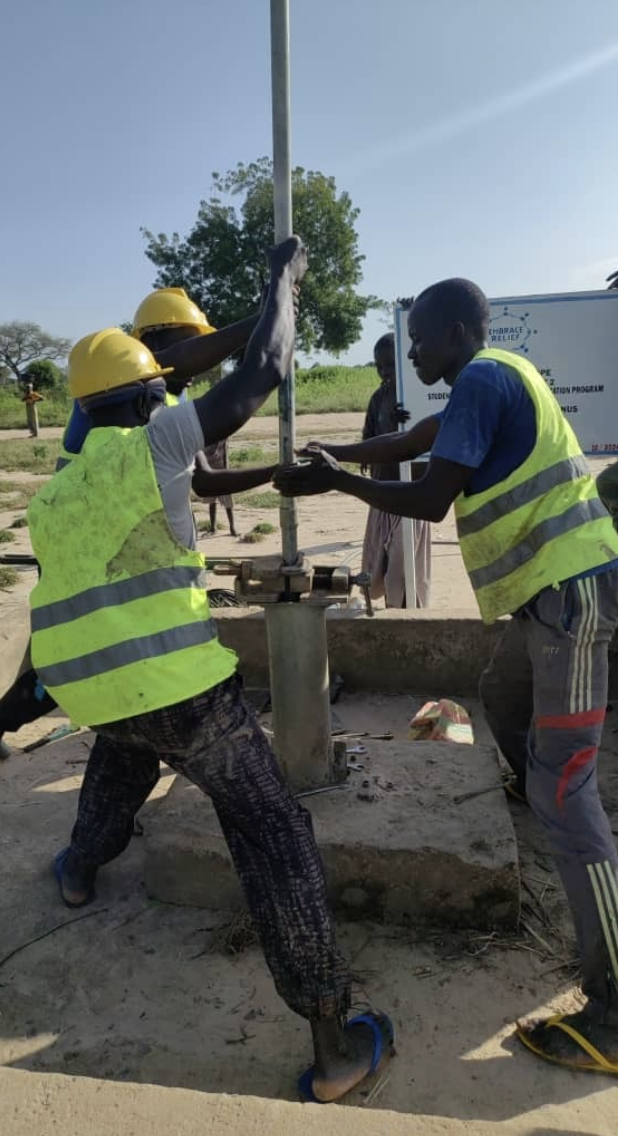
The men constructing this well demonstrate remarkable commitment, embodying an African principle: the land provides for our material needs, but the right to it is earned through labor. The beginning of any endeavor is the hardest, yet their strength and resilience fuel their progress. And while they extract this precious, finite resource— water— one truth remains: people are the greatest asset of all.
While the new well brings relief to the village of Mailao, there is still much work to be done. According to UNICEF, in 8 out of 10 households without on-site water access, it’s women and girls who are responsible for collecting water. Worldwide, women spend an estimated 200 million hours every day walking long distances to gather it.
Imagine a world where those hours are given back—to pursue an education, grow food, earn income, or simply care for themselves. Then ask: What can we do to help turn that vision into their reality?
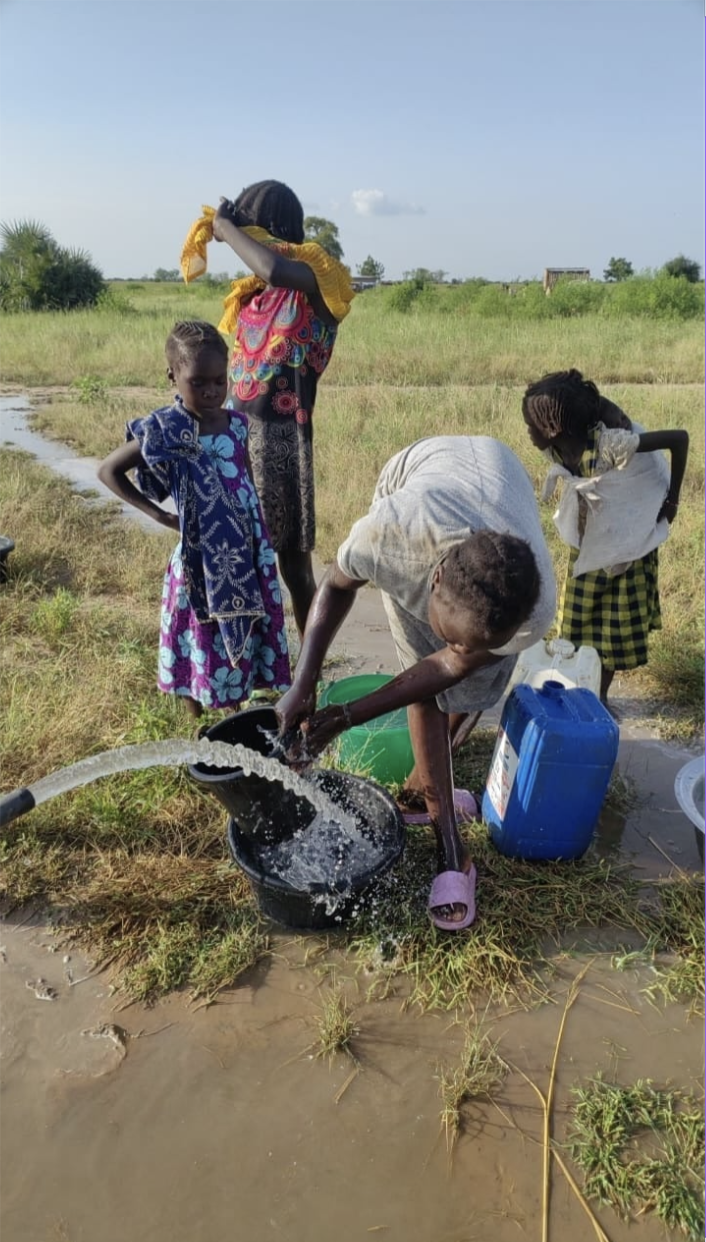
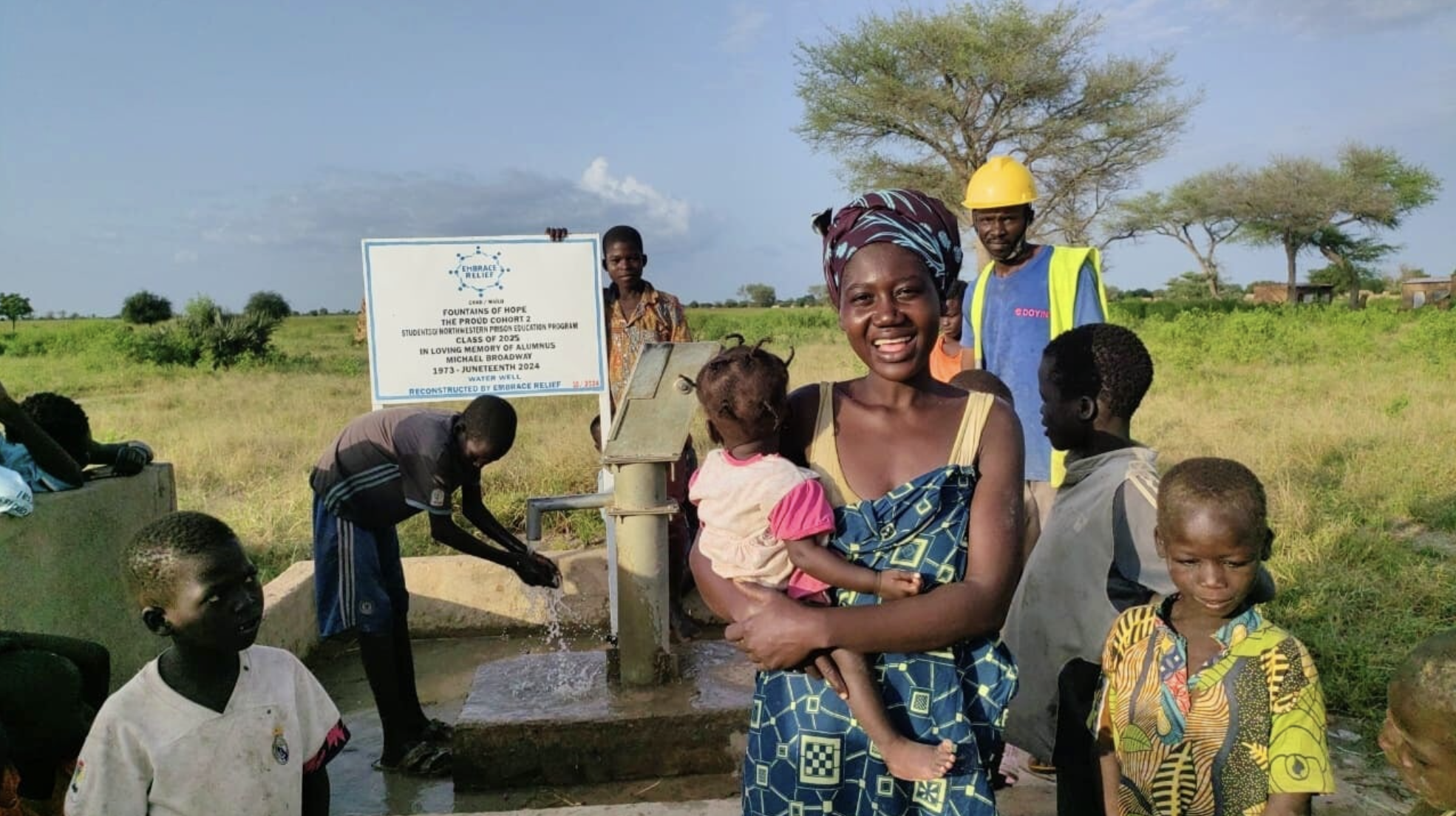
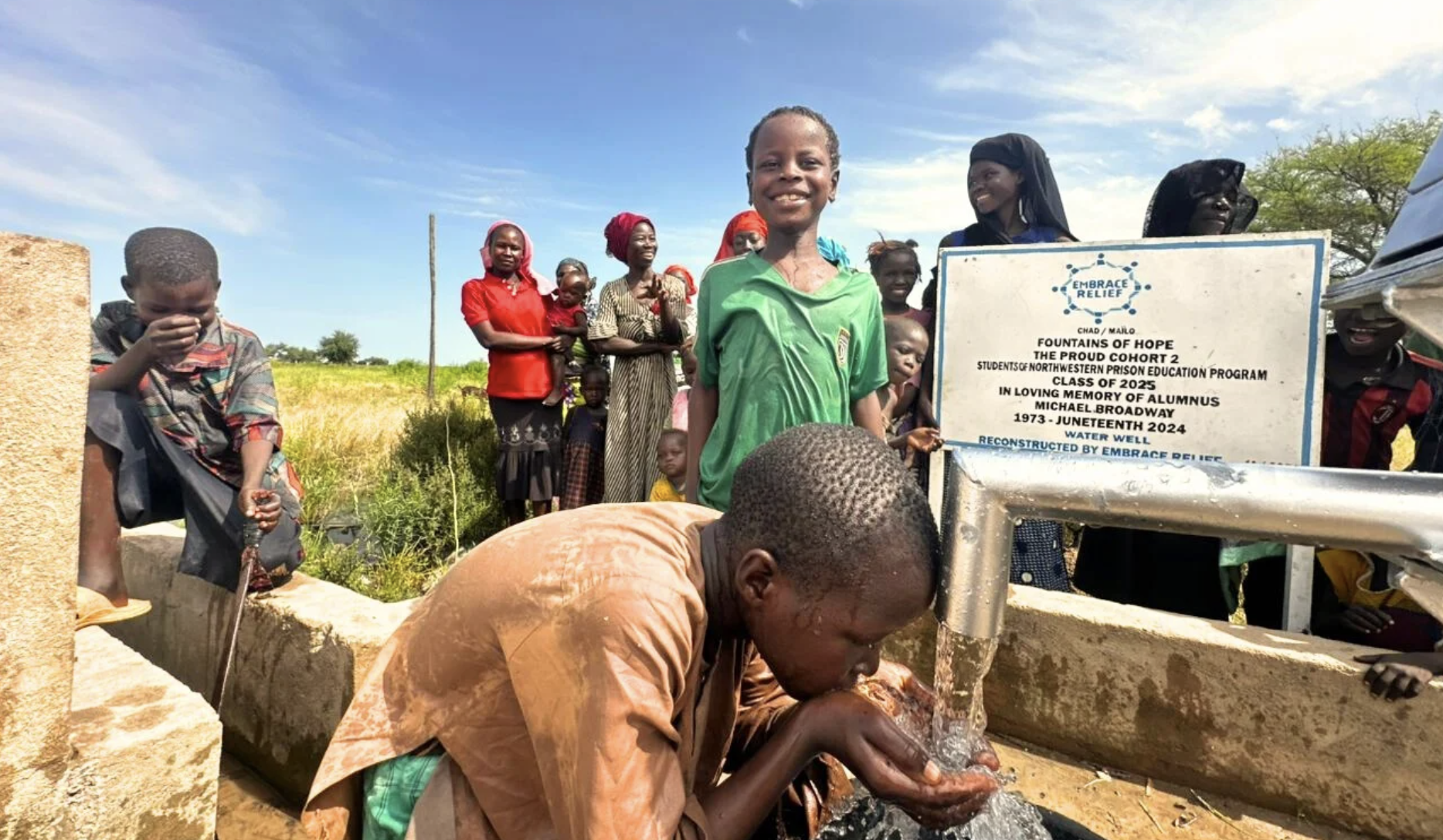
The radiant joy on this mother’s face is shared by many across Chad. She understands the power of this moment, one that will allow her to provide a better life for her children, and for the sons and daughters of Mailao. With improved access to water, the village gains more than just a material resource—the water nurtures mental, social, and even spiritual well-being.
