Inside The Classroom: Op-Eds Through Their Eyes
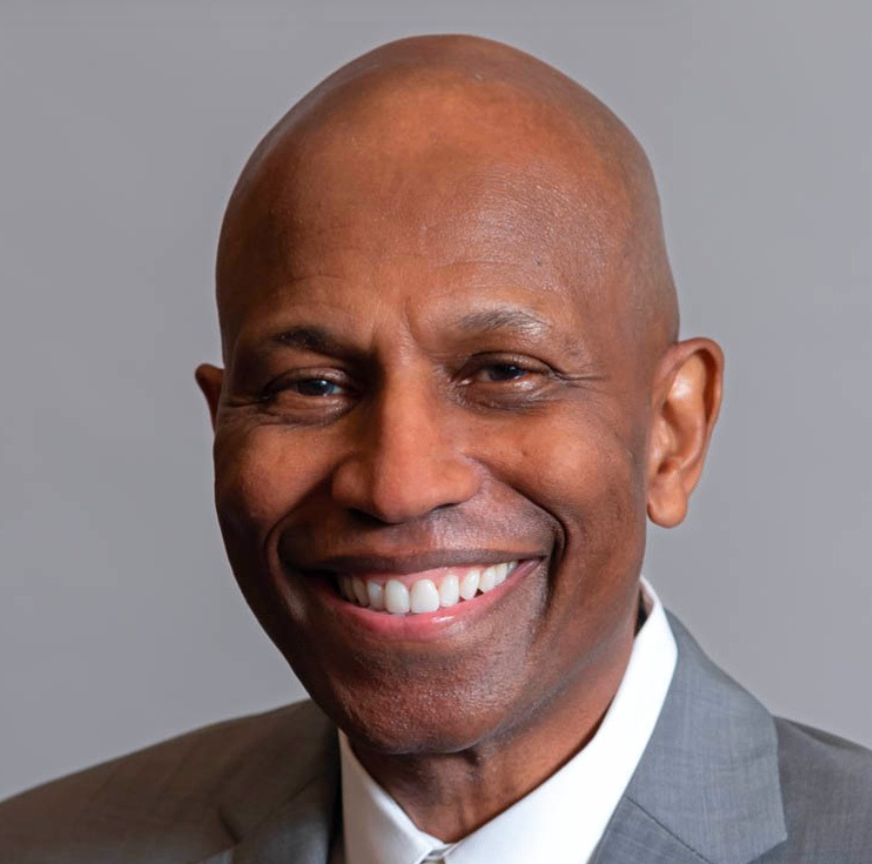
By Michael Deas, Assistant Professor at the Medill School of Journalism
When I first met these featured contributors and their fellow classmates in November of 2023—just two months before I started the op-ed writing course—it was immediately clear that they had a lot to say. The pieces written by Todd Mandoline, Michael Jorgensen, James Hale, Ian Valencia, Yaphet Davis, and Paul Forbes reflect the brilliance that exists within the prison walls, both within NPEP and across the country.
Over the course of several weeks, I had the privilege of observing these men produce insightful op-eds that illuminated the diverse and often untold stories within the carceral system. As their instructor, I also encouraged them to write pieces that extended beyond the boundaries of the maximum-security prison, granting them the freedom to delve into issues that mattered most to them and their classmates.
The contributors featured here tackled the harsh realities of medical neglect within the prison system, shedding light on the daunting challenges incarcerated individuals face in accessing essential healthcare. They explored the tough decisions that the incarcerated must navigate, including the seldom-discussed choice of opting for Do Not Resuscitate (DNR) orders amid an environment fraught with pain and neglect.
Beyond addressing the health-care disparities, these essayists focused on other pressing issues. For instance, one contributor eloquently described the profound psychological effects of solitary confinement, shining a spotlight on its enduring impact on mental health and overall well-being. Another writer passionately confronted the pervasive issue of mass incarceration among youth—particularly among Black, Latino and other marginalized individuals. He offered an in-depth analysis on the societal consequences, and fervently argued in favor of compassionate reforms.
Furthermore, our writers did not hold back from assessing the ongoing injustices within the American legal system and the dubious methods of policing in urban areas, providing a critical analysis of its impact on communities and drawing attention to the systemic issues. Through their collective voices, they amplified the voices of those too often silenced or ignored, fostering a crucial dialogue about the intricate realities of incarceration and justice in our contemporary society.
Readers are invited to engage with these thought-provoking perspectives that challenge and inspire us to envision a more just and humane society.